Fed on hold, but December is the real test
By Rahul Karunakar, Editor-in-Chief
· 5 min read
AI Summary
The US Federal Reserve is set to hold rates next week. A hike in December is the bigger story.
The most powerful central bank in the world is ready to take a break, but not unwind.
Markets anticipate no rate adjustment when the Federal Open Market Committee concludes its two-day meeting on October 28.
The Fed has already stated that further tightening may be necessary, oil prices are still high, and inflation is running high.
Here's why December is more important and why the Fed is holding off.
The current state of rates
In September, the Fed increased interest rates by 25 basis points. On a vote of 12-0, the target range was changed to 3.75% to 4.00%.
In contrast to the divided July meeting, all 19 participants supported the action, according to the September minutes.
That cohesion is important.
The question of whether to tighten is no longer up for debate. How quickly is up for debate.
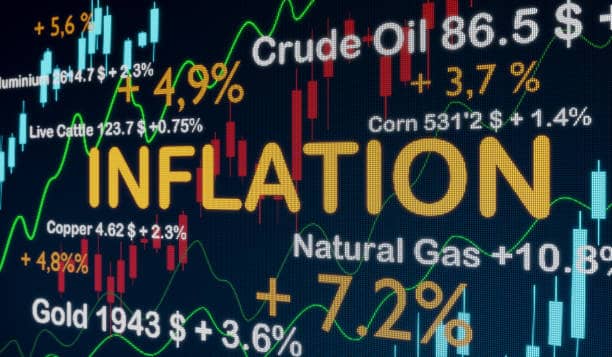
The issue of inflation
The hawks are refusing to back down because of the September inflation report.
Headline CPI increased from 3.4% in August to 3.7% year over year, exceeding the 3.6% expectation.
The monthly increase was 0.6%. The core CPI, which excludes food and energy, increased 2.6% year over year and 0.3% month over month.
The majority of the jump was driven by energy.
Over half of the monthly increase was due to gasoline. On October 7, the average price of gasoline in the US was $4.37 per gallon, up from $3.16 a year earlier.
Although the core CPI is modest at 2.6%, the Fed does not favor it.
In August, core PCE inflation was 3.0%, far more than the objective of 2%.
Even worse is the Fed's own forecast. The core PCE for 2026 was predicted to be 3.4% in September. This disparity explains why the pressure hasn't decreased despite a seemingly calm core CPI.
Why not take a trek instead of a pause?
Why wait if inflation is so high? For three reasons.
First, there is a softening of the labor market. Following a poor September jobs data, markets edged toward a hold. Overtightening is more likely when hiking into a cooling job market.
The Fed also needs additional information.
Policymakers generally agreed that another raise was necessary by year's end, according to the September minutes, but they did not pledge to take any action at the October meeting.
The prudent course of action is to wait for the October CPI report, which is due on November 10.
The release date is November 10.
Third, Chair Kevin Warsh has used language with caution.
He is against providing forward advice and claims that inflation is the greater problem. Traders reduced their bets for an October rise after interpreting his most recent remarks as dovish.
Officials are unable to comment further prior to the decision since the Fed has already entered its blackout period.
Which markets are setting prices?
The signal from the market is obvious.
The likelihood of rates remaining constant are estimated by traders to be between 83% and 84%. December's rise probabilities are less certain.
In recent days, estimates from the same data source varied from roughly 75% to 94%.
The market's sensitivity to each data print is demonstrated by the magnitude of that range.
Bond markets are sending out a warning.
Last Friday, the 10-year Treasury yield was approximately 5.12%, a decrease of roughly 14 basis points over the previous week.
Even with the Fed on hold, a 10-year yield above 5% indicates that borrowing costs are increasing throughout the US economy, from corporate debt to mortgages.
Bond yields are also under pressure to rise globally due to persistently high oil prices.
The long-term outlook is equally clear.
Earlier this month, futures predicted a Fed peak rate of between 4.50% and 4.75% by the middle of 2027. That represents an increase of up to 75 basis points over the current level.
The geopolitical and oil factors
The main cause of this inflation shock is geopolitical.
While underlying pricing pressures are less severe, analysts link headline inflation to events in the Middle East.
That is the predicament facing the Fed. Oil prices cannot be reduced by interest rates. All they can do is reduce demand.
The Fed can hold if the energy shock subsides. Wages and services will need to increase once more if oil costs continue to rise. The second result is what markets are wagering on.
The worldwide setting
The Fed is not by itself.
Additionally, the European Central Bank is considering its alternatives.
French inflation increased dramatically in September, and the ECB is thinking about raising interest rates in December.
Global borrowing costs would remain high under a synchronized tightening cycle, which is important for emerging nations like India. The rupee and foreign portfolio flows are under pressure due to a strong currency and rising US yields.
Things to watch
Whether December becomes a given will depend on four factors.
the press conference and statement on October 28.
Markets will react to any indication that the Fed has left an option open for December. Since Warsh is not expected to offer advice, the statement's tone will convey the message.
Additionally, there are no fresh economic forecasts for this meeting. They only appear at the meetings in March, June, September, and December.
Jobs figures for October. The argument for waiting would be strengthened by another subpar report.
October CPI on November 10. A December rise would be extremely difficult to prevent in the event of a second hot print.
pricing of oil. The doves would have more space if the descent was prolonged. It would be removed by a new spike.
The final result
Instead of acting to lessen the damage, the Fed is waiting to confirm it.
Bond yields are more than 5%, headline inflation is 3.7%, and core PCE is close to 3%.
Now that the group is in agreement on the course of action, the next choices appear to be a matter of timing. The markets anticipate a hold on October 28 and an increase on December 9.
Whether or not that call holds will depend on the data in between.
Rahul Karunakar
Editor-in-Chief
Rahul Karunakar is Editor-in-Chief of SKAAH Media, with 25+ years of experience in business journalism across Reuters, NDTV, and WION. An expert in macroeconomics, financial markets, and monetary policy, he leads editorial teams delivering trusted news across TV, web, and social platforms to mass audiences and institutional clients alike.
Comments
Comments are not open on this story. Join the conversation by sharing it, or write to our editors.