
Opinion: India’s Demonetisation Decade: Cash Wins, Fake Notes Persist
By Rahul Karunakar, Editor-in-Chief
· 4 min read
AI Summary
India’s demonetisation decade cut overall fake currency, but counterfeit ₹500 notes surged 20% as cash circulation expanded, exposing a resilient cash paradox despite record digital payments growth.
Ten years following India's decision to eliminate 86 percent of its currency in a surprising effort to combat "black money" and fake notes, data from the Reserve Bank of India reveals a contradiction.
The ongoing battle against counterfeit currency has resulted in a measured success overall; however, the nature of the threat has significantly evolved, now focusing on the denomination that currently prevails in Indian wallets.
The government's decision in November 2016 eliminated ₹500 and ₹1,000 notes from circulation.
The data from the RBI for the financial year ending March 2026 indicates that the overall detection of counterfeit currency within the banking system is approximately 70 percent lower than the levels observed during the year of demonetisation. That headline figure, however, masks a more pronounced and concerning trend.
Fake ₹500 Notes Surge 20%
Total counterfeit notes identified by financial institutions increased by 5.7 percent compared to the previous year in FY26, reaching a total of 229,746 pieces.
The catalyst was the ₹500 note.
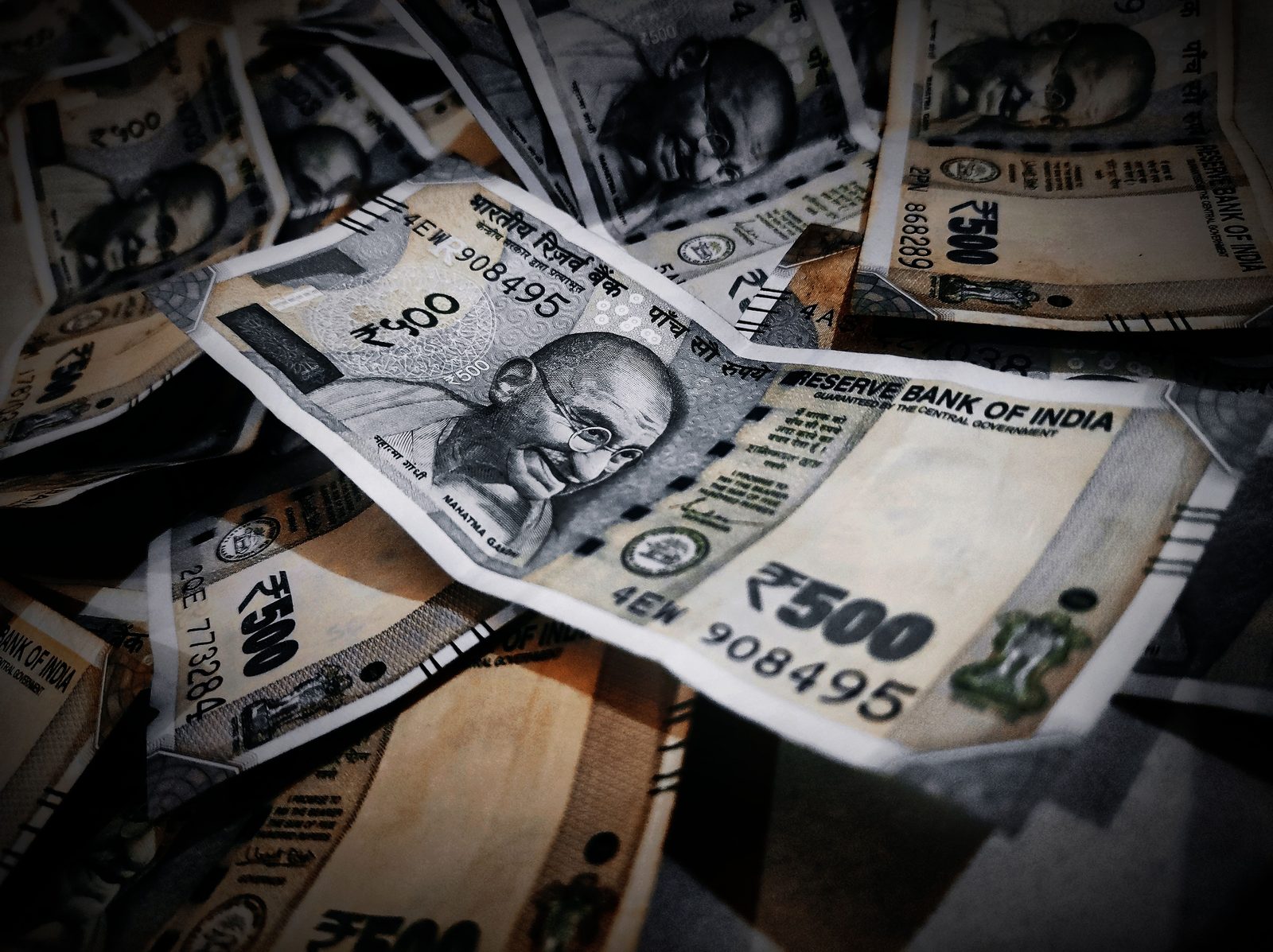
Counterfeit ₹500 notes surged by 20.5 percent, reaching a total of 141,907 pieces, which now represent over 60 percent of all detected fakes.
The newly introduced currency note, which took the place of the demonetised high-value bills, has emerged as the main target for counterfeiters, a direct result of its widespread circulation.
The data from the RBI clearly illustrates the reasons behind this.
The ₹500 denomination currently represents around 86 percent of the total value of notes in circulation.
As of early August 2026, there were 72.5 billion ₹500 notes in circulation, amounting to a total value of ₹36.28 lakh crore. Counterfeiters are drawn to liquidity, which has now become concentrated in one specific denomination.
Digital Payments Hit Record Highs
Digital payments have certainly experienced significant growth. In January 2026, the value of transactions via the Unified Payments Interface achieved an unprecedented ₹28.33 lakh crore, accompanied by a total of 21.7 billion transactions.
UPI has expanded its reach to eight countries, with international transaction volumes surpassing one million in FY26.
Cash Paradox Defies Policy
Yet the simultaneous expansion of both digital transactions and physical cash points to what experts describe as India’s “cash paradox” - a dual-track system where digital adoption and cash dependency coexist rather than one displacing the other.
Political Faultlines Deepen
The political landscape continues to be highly charged. Samajwadi Party leader Akhilesh Yadav commemorated the anniversary by labelling demonetisation as the “world’s biggest corruption scandal” and invited the ruling Bharatiya Janata Party to engage in a public debate regarding the economy.
Despite ongoing opposition critiques for the past ten years, the importance of the issue in electoral contexts has waned over successive election cycles.
The significant political challenge for the government is rooted in the data: the objective of eradicating counterfeit currency remains unachieved, and the new currency has turned into the preferred choice for counterfeiters.
Data from the National Crime Records Bureau provides an additional layer of insight.
In 2024, law enforcement agencies confiscated counterfeit currencies valued at over ₹54.61 crore, marking the third-highest annual total since 2016.
Gujarat represented over fifty percent of the overall value of counterfeit seizures from 2017 to 2024, indicating regional concentrations that are not fully captured by banking detection methods alone.
RBI Faces Forecasting Challenge
For the central bank, the policy implications are nuanced. The central bank identified merely 2.4 percent of counterfeits in FY26, while banks successfully intercepted 97.6 percent.
This suggests that the primary filter operates effectively within the banking sector; however, the influx of notes entering circulation without detection continues to pose a fundamental risk.
The removal of the ₹2,000 note, as declared in 2023, has understandably led to a decrease in counterfeits of that denomination, dropping to 824 pieces from 3,508 the previous year.
The lesson is evident: the management of denominations influences the motivations for counterfeiting, with the ₹500 note currently positioned at the heart of this analysis.
As we look ahead, the Reserve Bank of India's initiative toward Central Bank Digital Currency is still in its early stages.
E₹-Retail in circulation amounted to only ₹971 crore in early August 2026, representing a small portion of the physical currency stock. CBDC is unlikely to change the counterfeit landscape in the short term.
The decade of demonetisation presents a conclusion that is neither a clear endorsement nor an outright defeat.
Overall volumes of counterfeit currency are diminished. However, the lingering risk has become focused on the instrument that Indians rely on the most, and cash has demonstrated greater durability than the creators of the policy expected.
The RBI’s data ultimately illustrate a system that has adjusted to the shock of 2016 rather than undergone a transformation due to it.
Rahul Karunakar
Editor-in-Chief
Rahul Karunakar is Editor-in-Chief of SKAAH Media, with 25+ years of experience in business journalism across Reuters, NDTV, and WION. An expert in macroeconomics, financial markets, and monetary policy, he leads editorial teams delivering trusted news across TV, web, and social platforms to mass audiences and institutional clients alike.
Comments
Comments are not open on this story. Join the conversation by sharing it, or write to our editors.