India’s Dual-Track Diplomacy: Securing Energy, Seizing the Peace Narrative
India made a very smart political move just 48 hours before peace talks between Russia and Ukraine are set to start again in Abu Dhabi, which are being mediated by the US.
By Rahul Karunakar, Editor-in-Chief
· 5 min read
India made a very smart political move just 48 hours before peace talks between Russia and Ukraine are set to start again in Abu Dhabi, which are being mediated by the US.
In a sequence that leaves little to coincidence, Prime Minister Narendra Modi spoke directly to Ukrainian President Volodymyr Zelenskyy on Monday.
At the same time, External Affairs Minister S. Jaishankar was meeting with Russian Foreign Minister Sergey Lavrov.
The official message from New Delhi talks about "dialogue and diplomacy," but the calls' timing and content show that they were more about business and strategy.
Not only is India offering its services, it is also making itself an important part of the post-war structure and safeguarding its crude oil supply.
The Abu Dhabi Reset and India’s Window
The talks that start on Tuesday in the UAE are the first direct talks between Russia, Ukraine, and the US in more than nine months.
The agenda is full of existential questions, led by US Special Envoy Steve Witkoff and Jared Kushner. There are promises of safety for Kyiv, the frozen frontlines in Donetsk, and the lifting of trade restrictions in the Black Sea.
For New Delhi, this is not a conflict in Europe that is far away. It is a direct threat to two important national goals: food and energy security.
Being a part of the conversation before the US negotiators do has helped India make sure that its worries are already on the agenda.
The statement from the Prime Minister's Office was vague about "bilateral cooperation," but Zelenskyy's post on social media was clear: India has offered to help set up "food corridors" so that Russian naval activity in the Black Sea doesn't stop grain exports.
This move is well thought out. It changes India's role from a passive watcher of Western sanctions to a proactive protector of world food security. This is a story that has a strong impact on people all over the Global South.
The Russian Crude Reality Check
In Kyiv, things seemed friendly from a diplomatic point of view, but the real economic situation with Moscow is still cold and tough.
The call between Jaishankar and Lavrov wasn't just a nice thing to do. It had to be done to make sure things were stable. India's refining industry is dealing with an uncertain market right now.
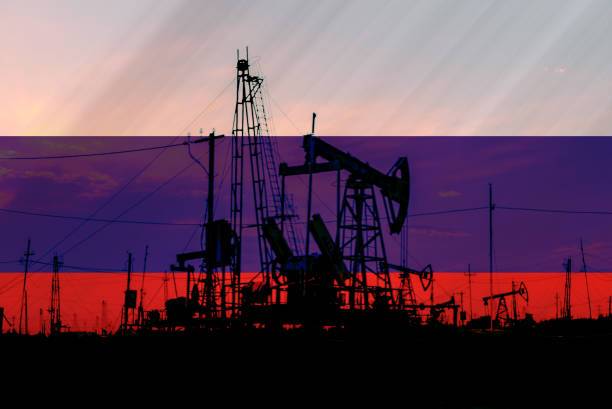
India brought in a record 5.6 million barrels of crude oil per day in October, with strong flows from Russia of about 2 million barrels per day.
But this dependence is under a lot of stress.
There are signs on the market that the discount on Russian urals has almost gone away. State-run refiners like BPCL have already said they will be reducing their Russian cargoes in November because of rising Black Sea freight and insurance costs.
Instead, they will be focusing on Middle Eastern grades that are more profitable for them.
The geopolitical risk isn't just about Western bans anymore; it's also about moving things around. By talking to Lavrov, Jaishankar is probably trying to get reassurances that whatever security plan comes out of Abu Dhabi won't make the sea routes that keep Indian refineries running even less reliable.
India can't let a peace process that has been held up harm its ability to get energy.
The Trump Factor and the ASEAN Sidelines
The timing of India's diplomatic activity is also in line with the transactional foreign policy of the new US government.
Trump has made it clear in public that Ukraine might have to give up land by saying that the country's "shape will be a little different."
In Europe, this pre-negotiation concession from Washington has caused alarm, but in New Delhi, people have kept quiet.
India’s calculus is clear: if the US is preparing to force a settlement, New Delhi wants to be on the shortlist of guarantors.
Also, the diplomatic calendar is very full.
Next week, Prime Minister Modi and President Trump will meet outside of the ASEAN summit in Manila.
Later this month, Trump will go to Shenzhen for the APEC summit, where he will also meet Russian President Vladimir Putin.
The calls to Zelenskyy and Lavrov bring India's position in line with Trump's before Modi meets with him.
By making the humanitarian route plan public, Modi brings something useful to Manila: India isn't just buying Russian oil; it's also helping feed the world, which is different from how the West criticizes New Delhi's energy purchases.
The Donbas Deadlock and India’s Limitations
But we need to take a reality check.
The main territorial dispute is still impossible to solve. Russia wants Ukraine to give up the parts of Donetsk that it still controls, but Ukraine won't stop fighting until the West gives it solid security guaranties.
In terms of territorial integrity, India has no power to make either side do anything. It can only be used on the edges of the battle for things like food corridors, humanitarian access, and contracts for rebuilding after the war.
In addition, the humanitarian situation on the ground is getting worse instead of better.
Ukrainian forces have reported more than 148 battles in the last 24 hours alone. Russian forces have attacked settlements with nearly 5,000 kamikaze drones and constant artillery fire.
In Abu Dhabi, the violence on the front lines often overpowers the beauty of negotiation.
As in earlier rounds of talks in Geneva, if the talks fail, India's offer to mediate will be useless, and New Delhi will once again have to defend its oil purchases from Russia in front of a hostile US Congress.
The Strategic Verdict
The way India interacts with both Moscow and Kyiv is a great example of hedging.
It gives Russia a place at the table for the post-war order without giving up the immediate economic lifeline of discounted (though less and less discounted) Russian crude.
India turns a weakness—its reliance on imported energy and the global inflationary pressures caused by the war - into a diplomatic strength by offering to act as a go-between for the food corridor.
The window is still not very big.
India's role as a "bridge" will be praised if the talks in Abu Dhabi lead to a plan for a ceasefire.
If they fail and the war drags on for a sixth year, the Trump administration will put more and more pressure on New Delhi to choose a side.
The plan right now is to talk to everyone, offer help, and keep the supply chain safe. Indian refiners are already hedging their bets on where to get their crude.
It's only a matter of time before diplomacy has to deliver a real peace dividend, or the economics of the war will once again set the terms of engagement.
Rahul Karunakar
Editor-in-Chief
Rahul Karunakar is Editor-in-Chief of SKAAH Media, with 25+ years of experience in business journalism across Reuters, NDTV, and WION. An expert in macroeconomics, financial markets, and monetary policy, he leads editorial teams delivering trusted news across TV, web, and social platforms to mass audiences and institutional clients alike.
Comments
Comments are not open on this story. Join the conversation by sharing it, or write to our editors.