WEF Davos 2027: The AI Boom Meets a Fragmented World
From January 18–22, 2027, the World Economic Forum will be held again in Davos, a resort in the Alps.
By Rahul Karunakar, Editor-in-Chief
· 6 min read
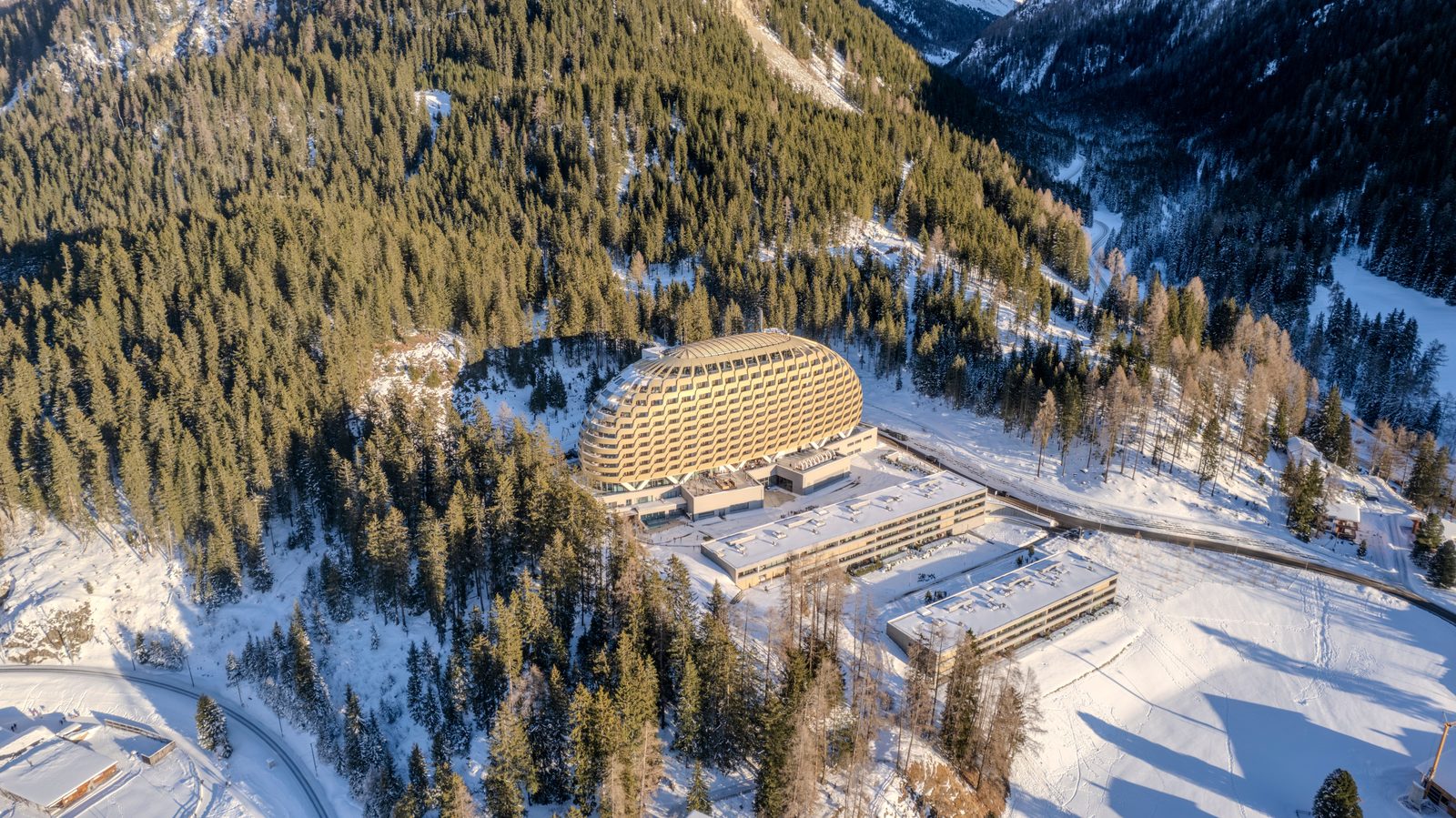
From January 18–22, 2027, the World Economic Forum will be held again in Davos, a resort in the Alps.
The theme for this year's meeting is "Deliberate Conversations on the Future."
There will be more than 3,000 leaders from business, government, and civil society at the Kongresszentrum. But there is a much more uncomfortable truth behind the familiar talk of multi-stakeholder cooperation.
Agenda 2027 is not a celebration of how the world is becoming more connected. It's a crisis management summit for a world economy that's being changed by AI, a lack of energy, and the breaking up of countries into smaller ones.
People, Technology, Growth, Planet, and Geoeconomics are shown to be the five official objectives, and they are all linked.
In real life, they stand for a bunch of unresolved conflicts. AI is spurring growth but also putting jobs at risk.
Demand for energy is rising while warming goals are being missed. Trade is being used as a weapon, and toughness is becoming the new motto.
The AI Jobs Paradox: Growth Without Employment
On the agenda for Davos, the job market is the most controversial piece of business. There are a lot of numbers.
At Davos 2026, Kristalina Georgieva, Managing Director of the International Monetary Fund, said that within two years, AI will either change or get rid of 40% of jobs around the world.
That number goes up to 60% in advanced countries. The IMF has already cut the number of translators it hires from 200 to 50.
The big picture of the economy, on the other hand, shows something else.
The IMF predicts that the world will grow by 3.1% in 2026 and 3.4% in 2027. AI infrastructure investments will play a big role in this.
South Korea, Malaysia, Mexico, and Thailand are some of the countries that offer AI hardware.
The issue is with delivery. Only 32 countries now make up 95% of global growth. In April 2026, that number was 54. This is why the AI dividend is concentrating and not spreading.
The difference is confirmed by how companies act.
A survey by the Federal Reserve of almost 750 executives found little proof of near-term job losses overall. However, there were big changes in the types of jobs being lost: the demand for routine administrative jobs is going down, while the demand for skilled technical jobs is going up.
Larger companies expect AI to reduce the number of workers they need, while smaller companies expect small gains.
The talk about "reskilling" in Davos is real, but the rate of movement may be faster than what institutions can handle.
Energy: The AI Boom's Physical Constraint
Each AI model has a bill for electricity. According to Gartner, the amount of electricity used by data centers around the world will reach 565 terawatt-hours in 2026, which is 26% more than the previous year.
The International Energy Agency gives a more optimistic estimate: it could be over 1,000 terawatt-hours, which is almost twice as much as in 2025.
Not getting enough chips is no longer the problem. It's electricity.
Because of this fact, two different strategic responses have been made. What the US calls "energy dominance" means that fossil fuels are now a top priority.
In June 2026, the US government promised $700 million to support coal plants and export terminals. In 2026, Washington will spend $50 billion on fossil fuels to power its AI infrastructure, more than any other country in the world.
China, on the other hand, has combined the growth of AI with the biggest buildout of renewable energy in the world. China's renewable capacity reached 2.337 billion kilowatts in 2025, which was 60.1% of all installed capacity. For the first time, wind and solar power were more powerful than thermal power.
The "Growth" and "Planet" tracks at Davos will try to bring these routes together.
AI needs energy right away, and it needs more and more energy over time. The climate agreements are political, last a long time, and are easy to break. The near-term imperative usually wins when the two come together, which they do now.
Geoeconomics: The Weaponization of Everything
The 2027 agenda's geoeconomics track agrees with what trade diplomats have been saying for years: the order based on rules is breaking down.
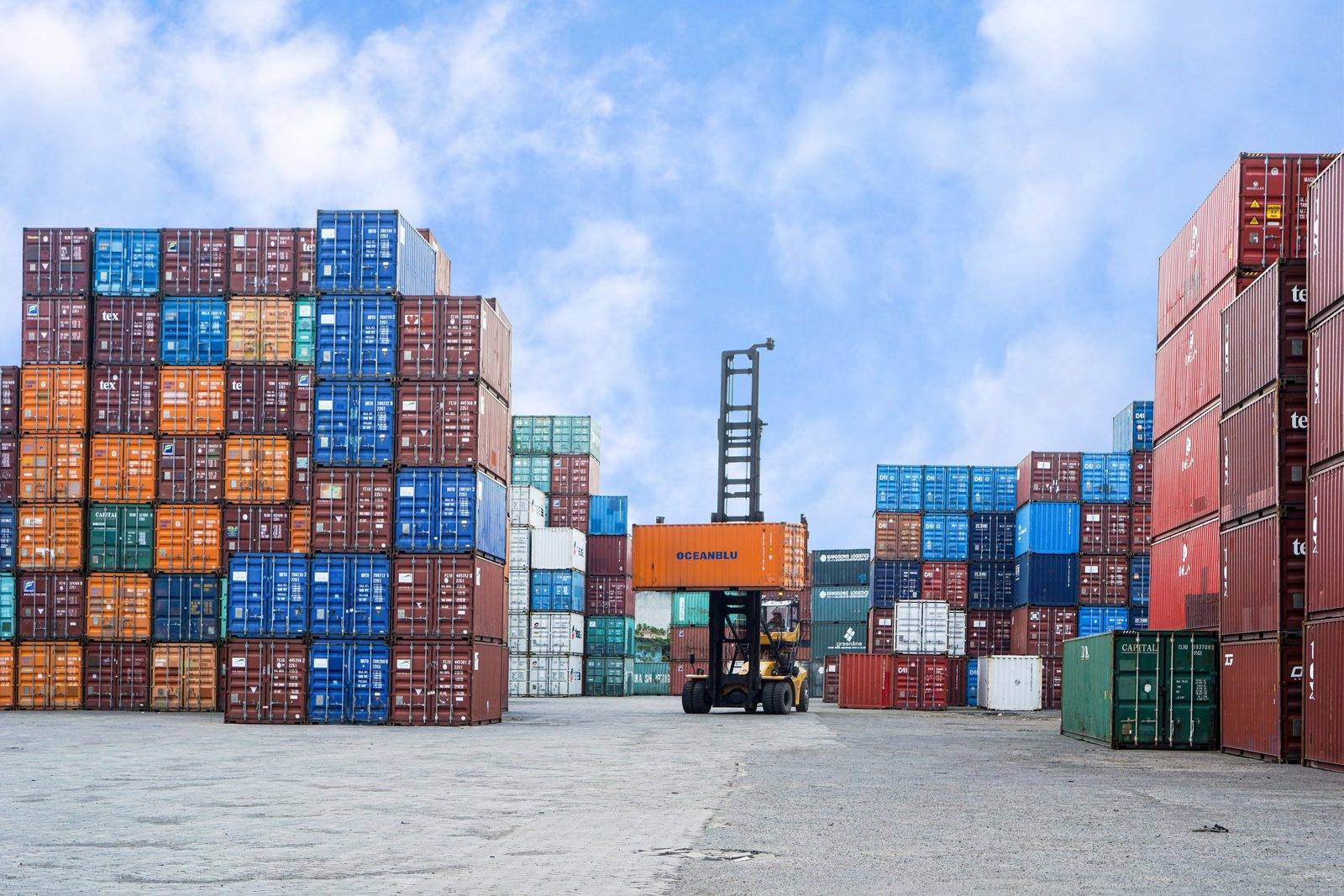
Trade, business, and technology policy are being used by governments more and more as tools of competition. Supply chains aren't as efficient as they used to be. To get more control, they are being rebuilt.
Canada has been leading talks toward a trade deal that would connect the EU's 27 member states with the CPTPP's 12 economies in the Indo-Pacific region.
The CPTPP is a group of almost 40 countries with a population of about 1.5 billion people. The move was made because of "unilateral tariffs and economic pressure," according to Canadian officials.
Indian Foreign Minister S. Jaishankar told the Bloomberg New Economy Forum in New Delhi that middle powers should "figure out a way of moving the needle" on issues that affect everyone.
“We are moved from an era where barriers dropped... to an era which has suffered and been inflicted by the weaponization of everything possible,” said Yuvraj Narayan, CEO of DP World, about the change.
It is in this setting that the "deliberate conversations" of Davos 2027 will happen.
Structures that encourage one-sided actions are putting to the test the forum's main idea—that talking between businesses and the government can lead to cooperative results.
The incentives each leader faces at home don't change just because there are 3,000 of them in one room.
The Debt Overhang and the Developing World
Sovereign debt is a problem that will be talked about at every session, but it might not be the main focus.
Georgieva, the managing director of the IMF, has warned that some developing countries spend more on paying off their debts than on things like schooling and health care.
At a UNCTAD meeting, Rebeca Grynspan made the decision very clear: "They don't want to default on the debt, but they're defaulting on development." The cost of borrowing money for 10 years in France hit almost 5 percent in October 2026, which was the highest level since 2002.
This shows that financial problems aren't just happening in developing countries.
The boom in AI investments is partly hiding these flaws.
Even though global growth is still above 3%, the head economist of the IMF says that "resilience is reaching its limits." There is less money for governments to use to deal with the next shock, like a rise in energy prices, a debt crisis, or a market correction caused by AI.
The "People" agenda at Davos 2027 will talk about inequality. It won't fix the money problems that keep many governments from being able to redistribute wealth.
What to Watch
There are three signs that will show if Davos 2027 produces anything other than communiqués.
First, the language about how to govern AI. If the forum agrees on frameworks that make AI implementation mandatory, that will be different from the voluntary principles that have been used so far. If it goes back to "multi-stakeholder dialogue," the gap in governance will get bigger.
Second, the talks about energy. Watch to see if the US delegation accepts renewable energy as a real AI energy strategy or if they push harder for fossil fuels. For years to come, the answer will affect how much money is invested.
Third, the side talks between two countries. The most important talks at Davos don't usually happen on groups. Since the US tariff policy is still not clear and the EU-CPTPP trade architecture is still in play, the corridor negotiations will be more important than the stage.
Davos 2027 is not a summit of optimism
"Deliberate Conversations on the Future" is the theme, which hints that the future is not just going to happen.
There is a dispute about it. AI is creating a huge amount of wealth, but the systems that are supposed to share it are having a hard time. A new limit is being used to rebuild energy systems.
The new rules for trade are based on safety rather than efficiency.
The information is with the 3,000 leaders who are meeting in the Swiss Alps. They have the stages. What they don't have is a common diagnosis.
They will keep talking about it until they agree on what the real problem is.
Until then, the future will remain uncertain.
SKAAH Media will be tracking the developments from Davos throughout the week.
Rahul Karunakar
Editor-in-Chief
Rahul Karunakar is Editor-in-Chief of SKAAH Media, with 25+ years of experience in business journalism across Reuters, NDTV, and WION. An expert in macroeconomics, financial markets, and monetary policy, he leads editorial teams delivering trusted news across TV, web, and social platforms to mass audiences and institutional clients alike.
Comments
Comments are not open on this story. Join the conversation by sharing it, or write to our editors.