China’s $1 Trillion Surplus Is a Warning, Not Just a Win
There is more trade going on in China than ever before. The latest customs data showed that Beijing's goods surplus for the year has already surpassed $1 trillion.
By SKAAH Media Webdesk, Newsroom
· 4 min read
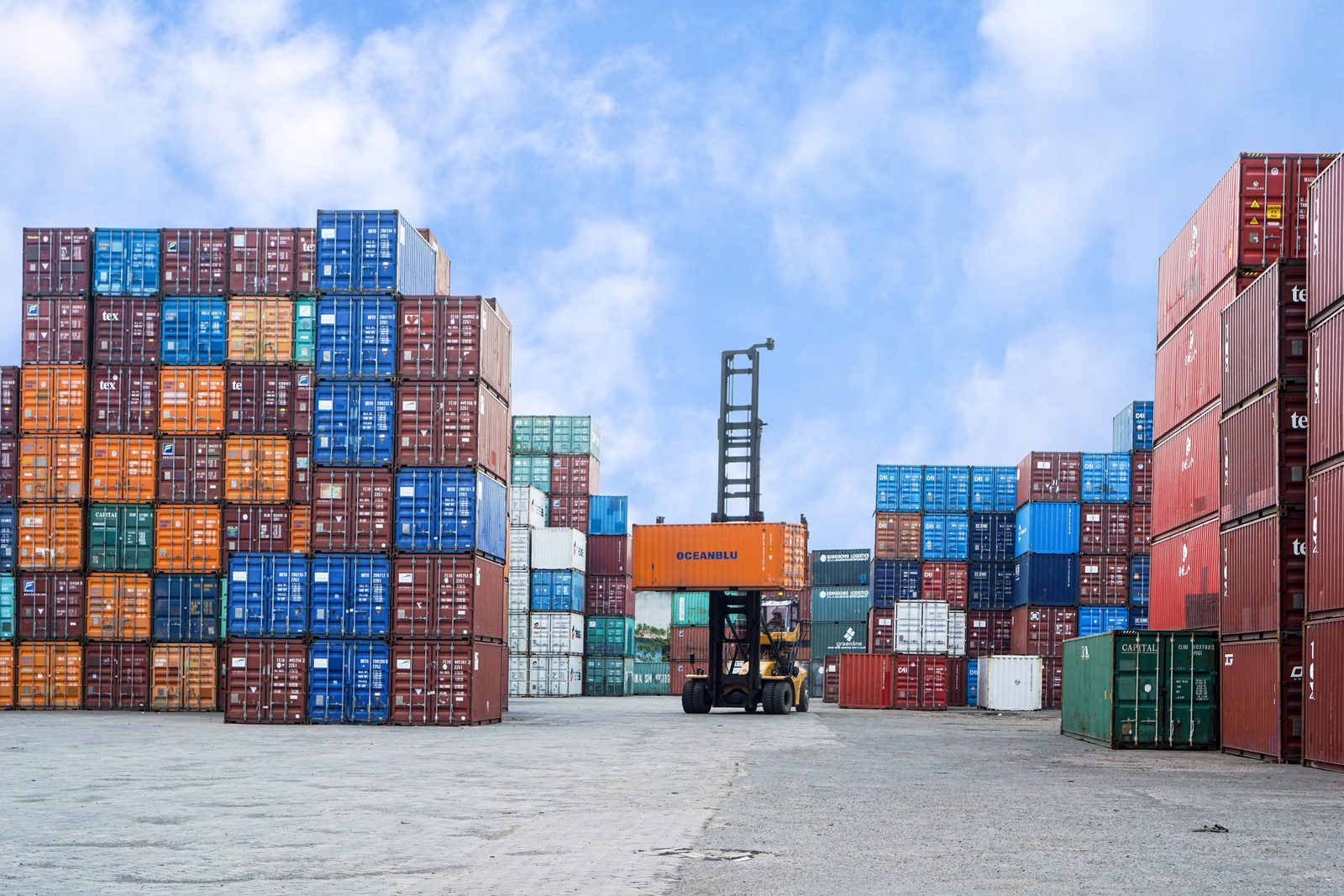
There is more trade going on in China than ever before. The latest customs data showed that Beijing's goods surplus for the year has already surpassed $1 trillion.
It did this a full month earlier than it did last year.
In October, exports went up 35.2% year-over-year, which was better than what most people thought would happen. At the same time, imports went up 41.6%, which shows that local demand is still alive and well, even if it is weak.
But if you look past the top number, the picture is much less rosy. You could say that China is exporting more than just goods.
The world is starting to fight back.
The October Anomaly: A Narrower Surplus, A Louder Warning
The monthly balance of $105.3 billion in October seems like a sign of slowing down.
It was the smallest surplus in five months, and a lot less than the $125.8 billion they thought they would have. Reason: goods brought in grew faster than goods sent out.
That sounds like adjusting. It's not.
The rise in imports is mostly due to the need for parts and tools that feed China's export machine, like semiconductors, AI hardware, and intermediate goods.
It's not really because people are buying more.
Growth in retail sales is still very slow, and the manufacturing PMI fell back into contraction territory in October, hitting 49.3. New export orders also fell, to 48.7.
The economy is still being driven by exports. How much longer can it last?
The AI Boom is Masking a Structural Problem
The rise in exports in October was due to the global infrastructure boom for artificial intelligence. Chinese companies sold computers, chips, and automation equipment to data centers all over the world.
This is important, high-value trade that shows real industrial progress.
But it's on top of a much bigger problem: there is chronic overcapacity in traditional industries like steel, solar panels, batteries, and appliances.
Chinese companies dump their extra production on foreign markets at prices that Chinese companies can't match because of weak demand at home and a drop in property prices.
That difference is important.
Exports of high-tech goods invite strategic competition, while overcapacity in low-end goods draws anti-dumping duties. China is now dealing with both.
The Protectionist Wave is Already Here
Retaliation is no longer just an idea. China's truck bed covers will now have to pay up to 142.11% more in duties than they did before this month.
There are anti-dumping duties that the UK wants to put on titanium dioxide that range from 48% to 64% and on aerial work platforms that go up to 82.89%.
Australia wants up to 73.3% of the price of Chinese aluminum windows and doors to be backed by guaranties. In the short term, South Korea is putting taxes of almost 28% on alloy steel wire rod.
These are not small fights spread out. They are a coordinated reaction to a surplus that China's trading partners see more and more as a way to move unemployment and industrial decline to other countries.
Europe is the New Shock Absorber
As it gets harder for Chinese exporters to get into the US market, they have turned their extra goods toward Europe.
Exports from China to the EU went up by 27.8% in the first two months of 2026, but they went down by 11% to the US. In response, the European Commission set up an import surveillance task force to keep an eye on trade that isn't supposed to be there.
Also, Brussels is pushing a "Made in Europe" industrial policy that would favor domestic content in public contracts and clean-tech subsidies.
The EU's trade deficit with China is currently €359.3 billion, but some experts say it could reach €500 billion this year.
Beijing has said that Brussels is "protectionist," but the political math in Europe is moving strongly against letting China's surplus continue forever.
The Domestic Dilemma: Stimulus Without Rebalancing
Beijing knows that things can't keep going the way they are.
The government has promised to increase demand at home by setting aside 250 billion yuan in ultra-long treasury bonds for trade-in programs for consumer goods and promising more tax breaks for people to spend more.
But the size is small compared to the trouble.
China's household spending share of GDP is still much lower than what it should be in a developed economy, and the property market, which used to be a huge source of household wealth, is still in a long-term slump.
So far, the stimulus plans that have been announced are meant to keep growth stable, not to completely fix an economy that saves too much, makes too much, and doesn't spend enough.
The surplus will keep going out, and the backlash will keep building until that changes.
China's $1 trillion surplus shows how good it is at making things and how important it is to global supply lines, especially as AI and green energy become more common.
It's also a sign of a growth plan that has reached its limit in the United States. The record surplus is paid for by foreign workers and consumers who are losing market share to Chinese manufacturers.
These countries' governments are now taking action to stop this. For investors, the message is clear: the time when China's exports grew without any problems is over.
It's no longer a "tail event" that tariffs could happen; now they are a normal part of trading.
Beijing has a choice: shift its focus back to domestic consumption or face a wall of protectionism that is getting stronger around the world.
Based on the October numbers, it looks like the policy reaction is taking longer than the clock is ticking.
Comments
Comments are not open on this story. Join the conversation by sharing it, or write to our editors.