
The Demonetisation Decade: Why The 82% Drop In Fake Currency Is Only Half The Story
Indian money changed like tectonic plates on November 8, 2016, ten years ago. Now, the Reserve Bank of India's annual data shows a decision that is both a vindication and a warning.
By Rahul Karunakar, Editor-in-Chief
· 5 min read
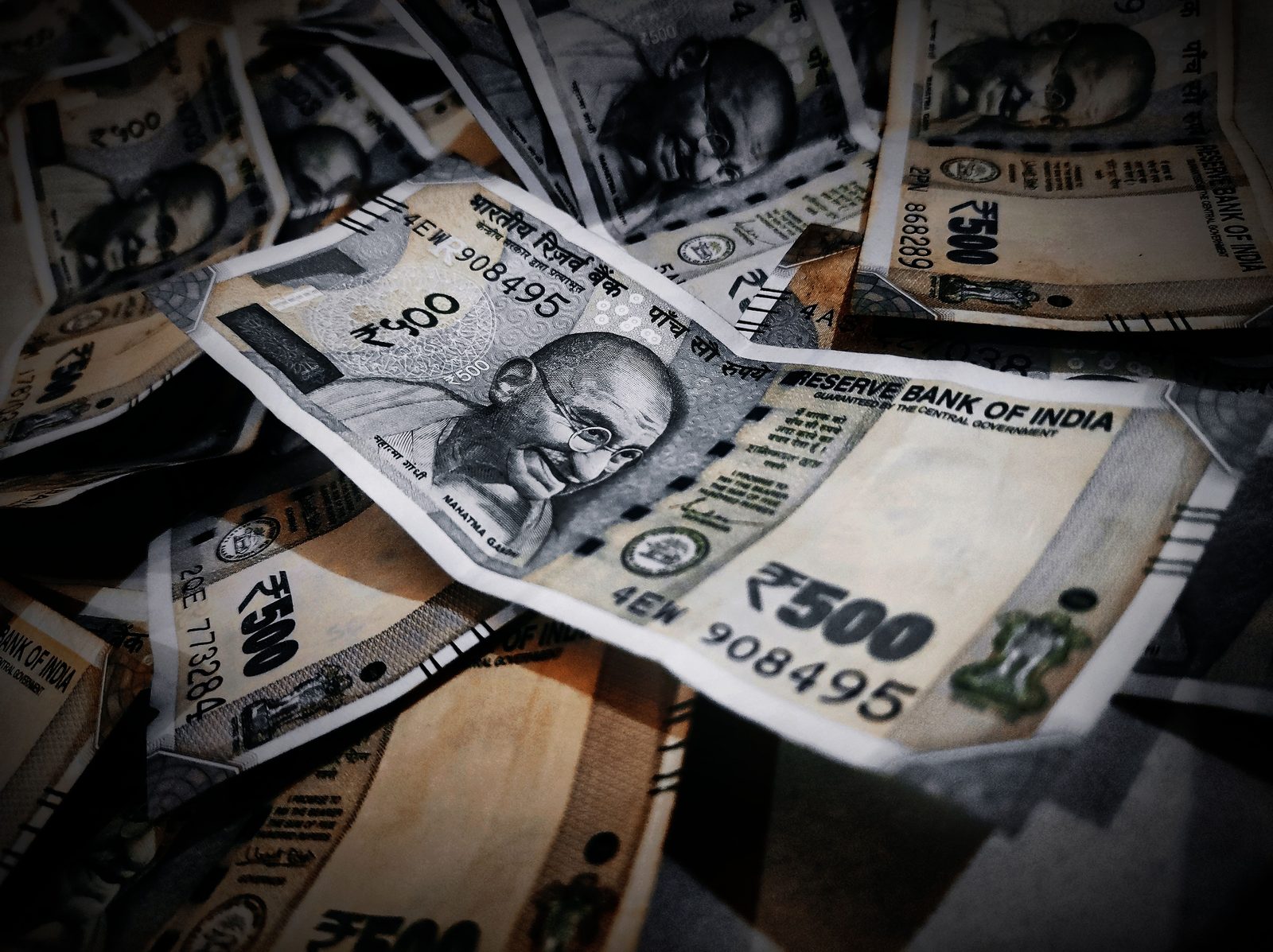
Indian money changed like tectonic plates on November 8, 2016, ten years ago. Now, the Reserve Bank of India's annual data shows a decision that is both a vindication and a warning.
The big number is shocking: the number of fake Indian currency notes (FICN) caught per crore notes in circulation has dropped from 76.0 in FY 2016-17, the first year after demonetization, to just 13.4 in FY 2025–26.
That means there are 82% fewer fake bills in circulation in the banking system.
A close study of the RBI's most recent annual report data for FY 2025–26 shows two different truths.
Even though the number of fakes has dropped, the criminal environment has just changed. The counterfeiters are still around, but they are focusing their efforts on the ₹500 note.
The Data Breakdown: A Tale Of Two Trajectories
The decade-long data shows how things changed quickly and in a way that would last for a long time.
As soon as the notes were taken away, the number of pieces found went through the roof, reaching 7.62 lakh in FY 2016-17.
This wasn't a problem with the policy; it was just what happened because all the money was being sent through the banking system to be checked.
Banks went through old bills on a scale that had never been seen before. They found every fake that was hiding in mattresses across the country.
Since that high point, the total number of fake notes found has steadily gone down.
In the financial year 2024–25, 2.17 lakh pieces of fake money were found in the banking system. This number went up by a small 5.7% in the next fiscal year, FY 2025–26, to 2.29 lakh pieces.
The number of fake notes per crore in circulation is at an all-time low of 13.4, but the number of detections is starting to rise again. This is the first market signal that needs your attention.
The ₹500 Magnet: Where The Criminals Are Focusing
The overall drop in fake notes hides a very dangerous concentration risk. The data for FY 2025–26 shows that counterfeiters aren't wasting time or money on smaller bills anymore.
The fake ₹500 note has become the most popular item used in the black market.
The RBI's annual report for FY 2025–26 says that the number of fake ₹500 notes found rose by 20.5%, from 1,17,722 the previous year to 1,41,907 this year.
To give you an idea of how big this is, the ₹500 note is now the type of fake money that banks catch the most. The number of fake ₹100 notes dropped to 45,621, and the number of fake ₹200 notes dropped to 30,591.
This is a smart business move by the groups that make fake money. The ₹500 note is the most important piece of cash in India.
The RBI took the ₹ 2000 note out of circulation, and by March 2026, 98.45% of those notes had already been put back into circulation. Since then, the ₹500 note has become the most available and used currency.
The people who make fake money are just following the money. The new ₹500 note has strong security measures, but because there are so many of them in circulation, high-quality fakes are easy to make.
Beyond the 82% Headline
In politics, the government correctly point to the 82% drop in the number of fake notes as proof of the 2016 surgical strike.
The official opinion of the Finance Ministry, which was made public in Parliament, backs up the long-term trend of fewer total detections compared to the time before demonetization.
This statistical success is what the story of stopping the funding of terrorism and the storage of black money is built on.
The opposition and economic experts, on the other hand, will point out how strong the cash economy is.
The public's money hasn't lost value; it's changed. According to statistics from the RBI, the value of money in circulation has gone up, but the types of money in circulation have changed.
The ₹2000 note's removal was a way to control cash flow, but it also caused the bogus market to change its rules.
Over and above that, the RBI's detection data only includes notes that go through the official banking route.
It doesn't take into account the huge "shadow economy," where fake money can move around for months without ever touching a bank teller.
The data from seizures by law enforcement shows that there are active drug cartels that work across state lines.
Recently, police operations in Punjab and Chandigarh in late 2025 and others have found complex schemes using social media sites like Telegram and Instagram to sell fake notes at a rate of 1:4 - ₹1 lakh in real money for ₹4 lakh in fake money.
The Digital Shield: A Structural Shift
While the people who make fake money learn to adapt, the move toward digital purchases may be the best long-term defence against it.
The Unified Payments Interface (UPI) has changed the way money moves in India in a big way. Over 24.5 billion purchases were made through UPI in August 2026 alone. Once a transaction is moved to digital, a fake bill can't be used for that transaction.
This effect of digital substitution is a key factor that the policy of demonetization in 2016 set in motion. There are 82% fewer fake notes per crore, and it's not just because of better security or police work.
It's also because cash is becoming less important in high-value transactions. As more of the retail and wholesale economy is digitised, counterfeiters will have less of a market to target.
The Road Ahead: Vigilance, Not Complacency
The amount of fake money in the formal banking system has dropped dramatically since the demonetization ten years ago. An 82% drop in the number of fakes is a big result of good public policy. It has made things easier for banks and made it less likely that high-quality fakes will be used to fund terrorism.
But the data for FY 2025–26 should be seen as a red flag. The rise in total detections of 5.7% and the rise in fake ₹500 notes of 20.5% show that the criminal groups have come back together. They aren't filling the system with bad ₹100 notes anymore; instead, they're putting money into good ₹500 notes that can stand up to basic inspection.
That's what the next part of this battle is all about for the RBI and the security services.
The 82% drop is a fact of the last ten years. It will be hard to stop people from making fake ₹500 notes over the next ten years.
In 2016, the war on fake money was broad-based. Now, it's a high-stakes, targeted game of cat and mouse over the most trusted piece of paper in an Indian wallet.
(The views and opinions expressed in this article are those of the author and do not necessarily reflect the official policy or position of SKAAH Media. The content is provided for informational and educational purposes only and should not be construed as financial, investment, legal, or tax advice. Readers should conduct their own research or consult a licensed financial advisor before making any investment decisions.)
Rahul Karunakar
Editor-in-Chief
Rahul Karunakar is Editor-in-Chief of SKAAH Media, with 25+ years of experience in business journalism across Reuters, NDTV, and WION. An expert in macroeconomics, financial markets, and monetary policy, he leads editorial teams delivering trusted news across TV, web, and social platforms to mass audiences and institutional clients alike.
Comments
Comments are not open on this story. Join the conversation by sharing it, or write to our editors.