Russia-Ukraine Talks in UAE: War Economy Decides Peace
There are now three sets of talks going on between the US, Russia, and Ukraine. The third set started in Abu Dhabi.
By Rahul Karunakar, Editor-in-Chief
· 5 min read
There are now three sets of talks going on between the US, Russia, and Ukraine. The third set started in Abu Dhabi. The last time these three groups sat down together was in February of this year.
On the surface, there seems to be a diplomatic thaw, but there is really a brutal battle of power.
While officials talk, Russia is slowly destroying Ukraine's economy, Ukraine is using long-range strikes to stop Russia from getting money for the war, and the US is pushing a "security framework" that leaves Europe out. It's not about who can win; it's about who can't hold on out any longer.
The Real Battlefield: Not Donetsk, But Ukraine's Economic Lifeline
Talks are currently focused on who owns Donetsk, but on the battlefield, the real pressure is now on Ukraine's ability to stay in business.
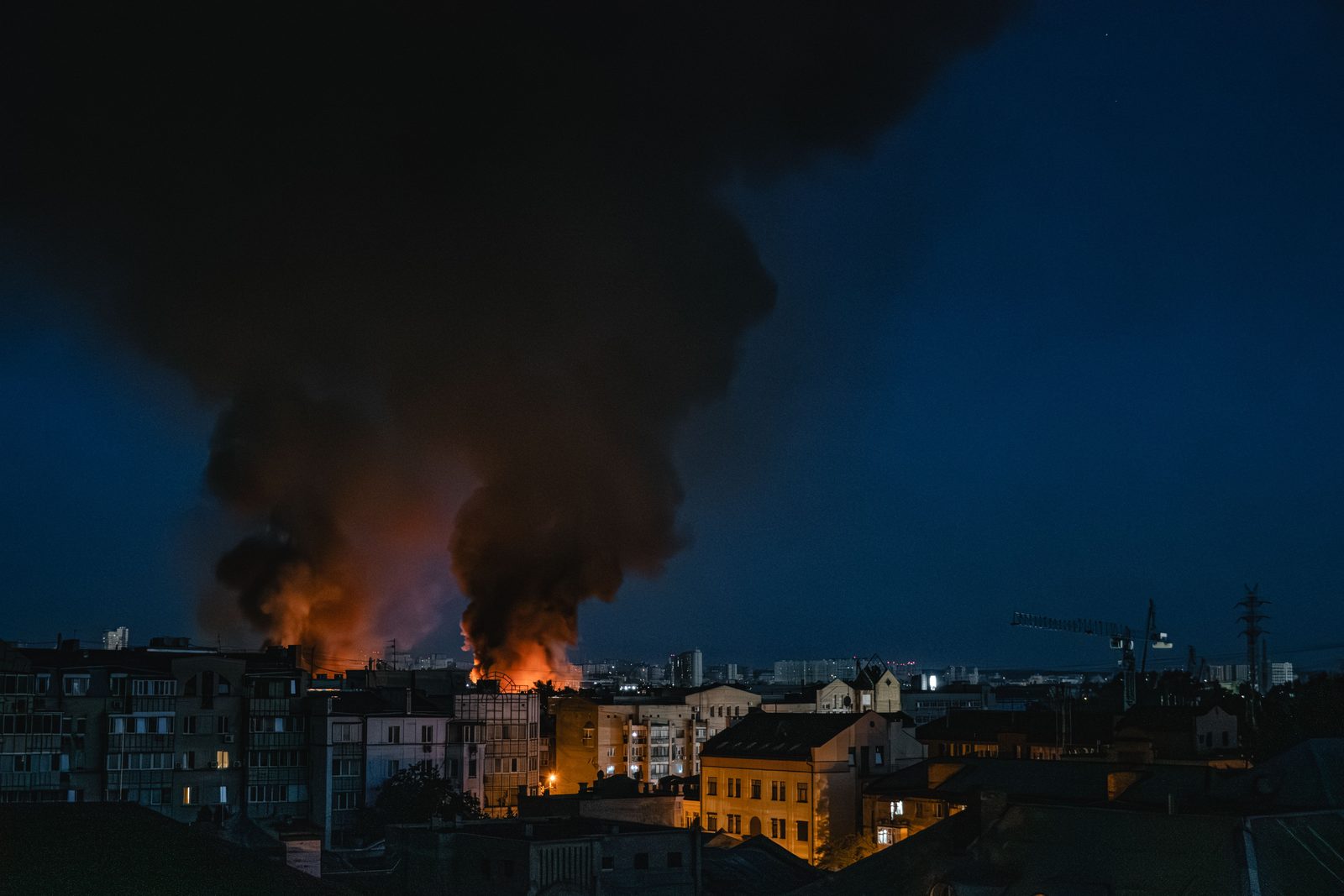
CNN says it is clear that Russia's air campaign in 2026 has changed its goal from taking over land to ruining Ukraine's economy. A lot more strikes were fired by Russia against Ukraine in October than in January, when only 3,650 were fired.
The facts tell the tale.
Metinvest Group, which makes more steel than any other company in Ukraine, had to stop making steel at all of its plants because of Russian rocket attacks.
Over a quarter of Ukraine's steel production before the war came from the Kamet Steel plant in Kamianske. Its closure has caused major problems in the mining, construction, and rail transportation industries. Because of attacks on ports on the Black Sea, the Danube, and the railroad system, Ukraine's grain exports are badly hampered.
The central bank of Ukraine has drastically changed its prediction for 2026's GDP, going from 1.8% growth to a contraction of 0.4%. Inflation is now expected to hit 12.5%.
That's how Russia really feels about the negotiations: it can't win a battle, but it can make it too expensive for Ukraine to keep fighting. As one analyst put it, Putin thinks that "actually breaking the economy" is the only way to get things moving again.
US Position: Trump Wants a Deal, But Not Necessarily a Fair One
The people in the US delegation say a lot about what Trump wants to do. The team is led by Steve Witkoff and Jared Kushner.
In a public statement, Kushner said that the talks would be about "post-war security concerns" and that everyone should think about "what happens after the war ends."
It's important to note that this is not a statement about "how to win," but about "how to conclude."
It is known that Trump is putting pressure on Zelensky. He told Zelensky in public in October that he should "end this war, or else very bad things will happen."
Even more telling is the fact that the US signed an agreement to buy Russian diesel in October, which was criticised because it could help Moscow keep its military operations going. Trump has a simple plan: he wants a deal that can be called a "victory" before the APEC meeting, not a war that never ends.
But the fact that senior State Department officials aren't in the US delegation sends a different message: this is a "transactional" negotiation, not a normal diplomatic process. Trump trusts Kushner and Witkoff, and they are loyal to him and not limited by rules set by the government.
Europe's Marginalisation: The Biggest Structural Flaw of the Talks
There is a good reason why Europe is not at the negotiating table.
The Kremlin has made it clear that European leaders will not be taking part in the peace talks.
The way Peskov put it is very blunt: European countries "have not even figured out who is qualified to represent them."
There are representatives from France, Britain, Germany, and NATO in Abu Dhabi, but their only job is to "coordinate" with the Ukrainian delegation. They are not there to negotiate.
This mistake is very bad. Without Europe's help, it is impossible to create a long-lasting defence system in Europe.
Kallas, who is in charge of EU foreign policy, has made it clear that the EU "must participate in the implementation of any agreement"; this includes "security guarantees and sanctions" as well as "reconstruction and EU accession."
But the way the talks are set up now, Europe has no choice but to accept a deal between the US and Russia and pay for putting it into action, or it will be completely left out of the process.
India's Entry: New Variables in Food Security
Before the talks, Modi spoke on the phone with both Zelensky and Lavrov.
Zelensky said that India is ready to help set up "food corridors" to get around Russia's ban on Ukrainian grain exports through the Black Sea.
This is not an act of kindness; it is a move to improve their chances of winning.
India buys a lot of grains around the world, and problems with trade on the Black Sea directly affect its food security. In a more important way, India is showing Washington and Moscow that it can do more than just be a "neutral observer."
The Ceasefire Window is Narrow
An anonymous US source said that both Russia and Ukraine have shown "a little flexibility" in closed-door talks about Donetsk.
This is the most positive sign from these talks. But being flexible is not the same thing as giving in. Russia's main demand is still the same: Ukraine must recognise the reality of the areas it has taken over and quit NATO.
Ukraine's main demand is still the same: no giving up land, and security guarantees must come before a truce.
The real question is when to do it. Europe is getting impatient, Ukraine's economy is being drained, and Trump wants to cash in his chips before the APEC meeting.
Russia is making slow progress on the battlefield, but it costs a lot. Reports from the Ukrainian general staff say that the number of Russian deaths in early November set a new yearly high. Both sides can't get what they want, but neither is ready to settle for the bare minimum.
The talks might lead to a "framework for a framework": an agreement on security guarantees that leaves negotiations about territory for later.
That would mean the war would move from the battlefield to the negotiating table, but the economic war would still go on.
For Putin, destroying Ukraine's economy is not a way to get what he wants; it's the only thing that will work.
Rahul Karunakar
Editor-in-Chief
Rahul Karunakar is Editor-in-Chief of SKAAH Media, with 25+ years of experience in business journalism across Reuters, NDTV, and WION. An expert in macroeconomics, financial markets, and monetary policy, he leads editorial teams delivering trusted news across TV, web, and social platforms to mass audiences and institutional clients alike.
Comments
Comments are not open on this story. Join the conversation by sharing it, or write to our editors.