Trump Drops Iran Deal, Redirects Vance to Domestic Corruption Fight
By SKAAH Media Webdesk, Newsroom
· 3 min read
AI Summary
Trump has ruled out any Iran deal, redirecting Vice-President Vance to target corruption in Democratic-run cities while maintaining the Strait of Hormuz blockade.
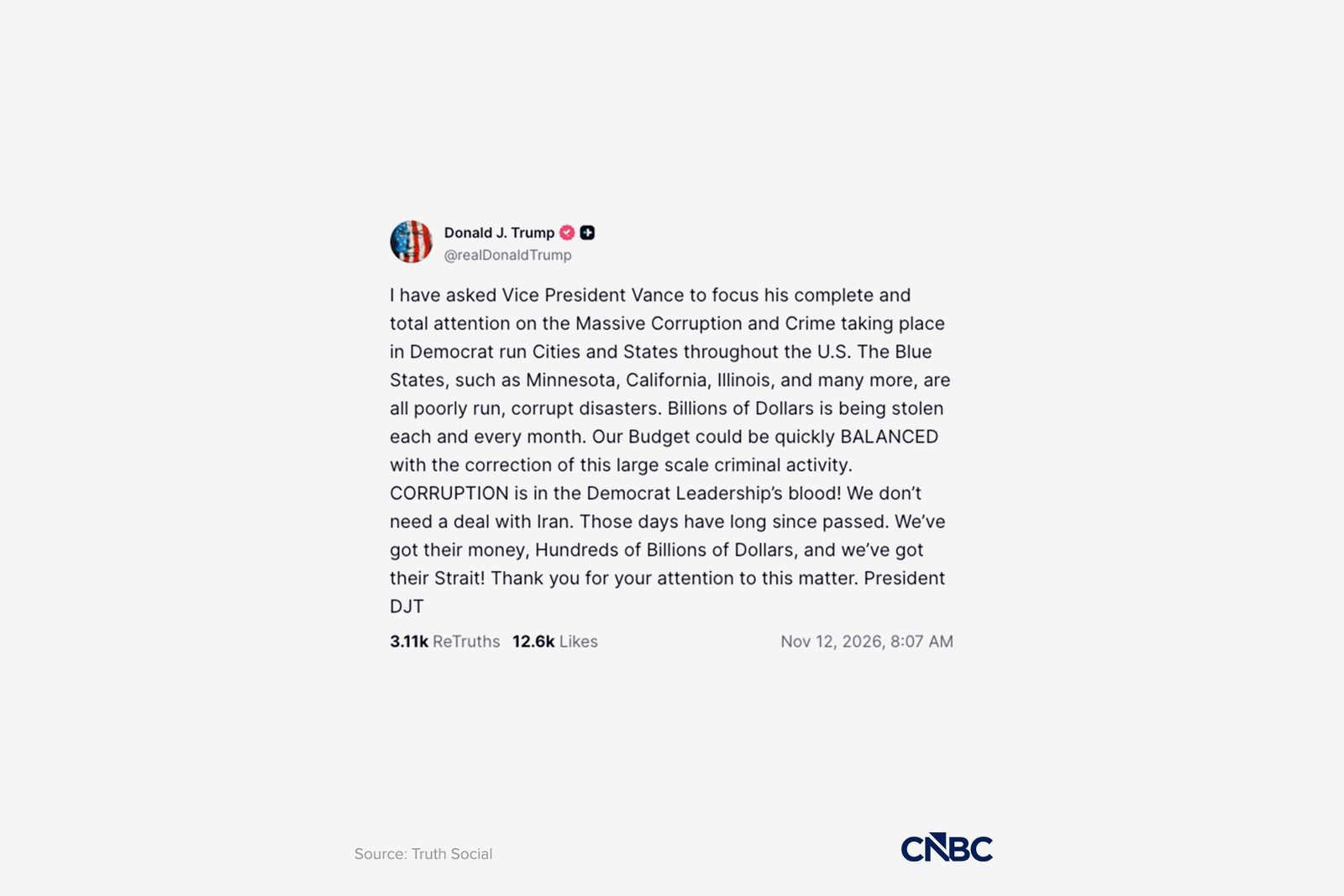
President Donald Trump has announced that the United States will no longer pursue a diplomatic agreement with Iran, instructing Vice-President JD Vance to discontinue negotiations and concentrate solely on purported corruption in cities and states governed by Democrats.
The announcement made on Truth Social Thursday indicates a significant change from earlier indications this month that the capital was considering a resolution to the eight-month conflict following the midterm elections.
“We don’t need a deal with Iran. Those days have long since passed,” Trump wrote, claiming the US has seized “hundreds of billions of dollars” of Iranian funds and effective control of the Strait of Hormuz.
Oil Blockade Bites as Strait Tensions Simmer
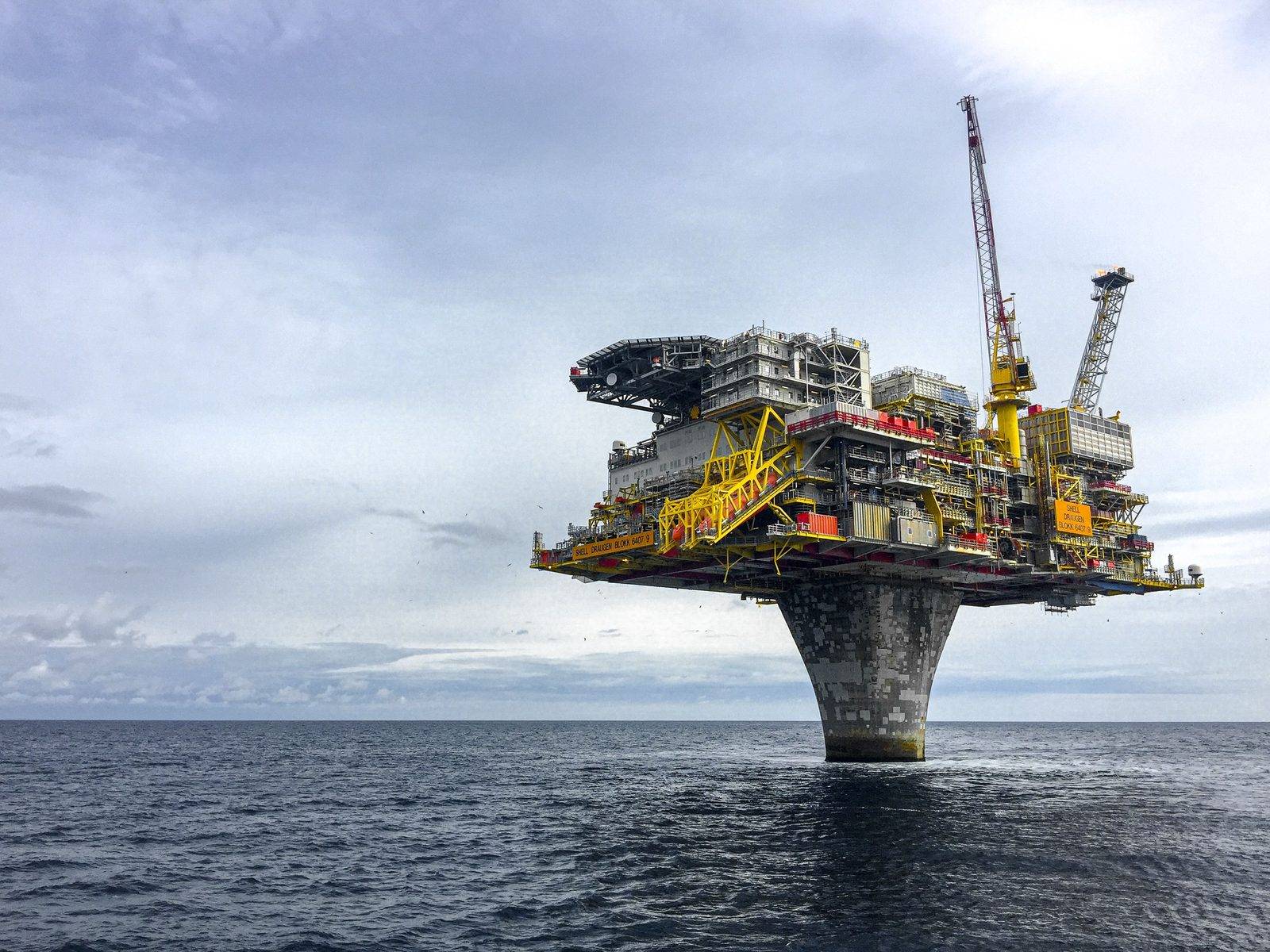
The assertion follows a US naval blockade that has crippled Iranian oil exports. Data from United Against Nuclear Iran show Iran exported just 15,806 barrels per day in October, down from 50,789 in September, with flows to China effectively at zero.
The directive effectively sidelines Vance, who had been the administration’s primary negotiator and was allegedly considering direct discussions with a high-ranking Iranian security official this week.
Vance’s office has yet to provide a response to the enquiries made for comment.
The vice-president publicly attributed the economic repercussions of the Iran war as a factor in the Republican losses during last week’s midterm elections, stating that the party’s Senate defeat was a cost he would not justify as “worth it.”
Trump’s statement effectively shuts down the diplomatic avenue.
Secretary of State Marco Rubio previously characterised Iran’s requests for war reparations as “absurd” after discussions with allies in Paris earlier this week.
The administration now seems to be wagering that economic pressure alone can fulfil its goals without a formal agreement, a judgement bolstered by the quantifiable effects of the blockade on Iranian crude exports.
Nevertheless, the maritime situation continues to exhibit volatility.
On Thursday, Iran’s Revolutionary Guard announced that four oil tankers experienced explosions in the Strait after the vessels reportedly disregarded warnings.
Meanwhile, the UK Maritime Trade Operations documented several projectile strikes on commercial shipping in recent days.
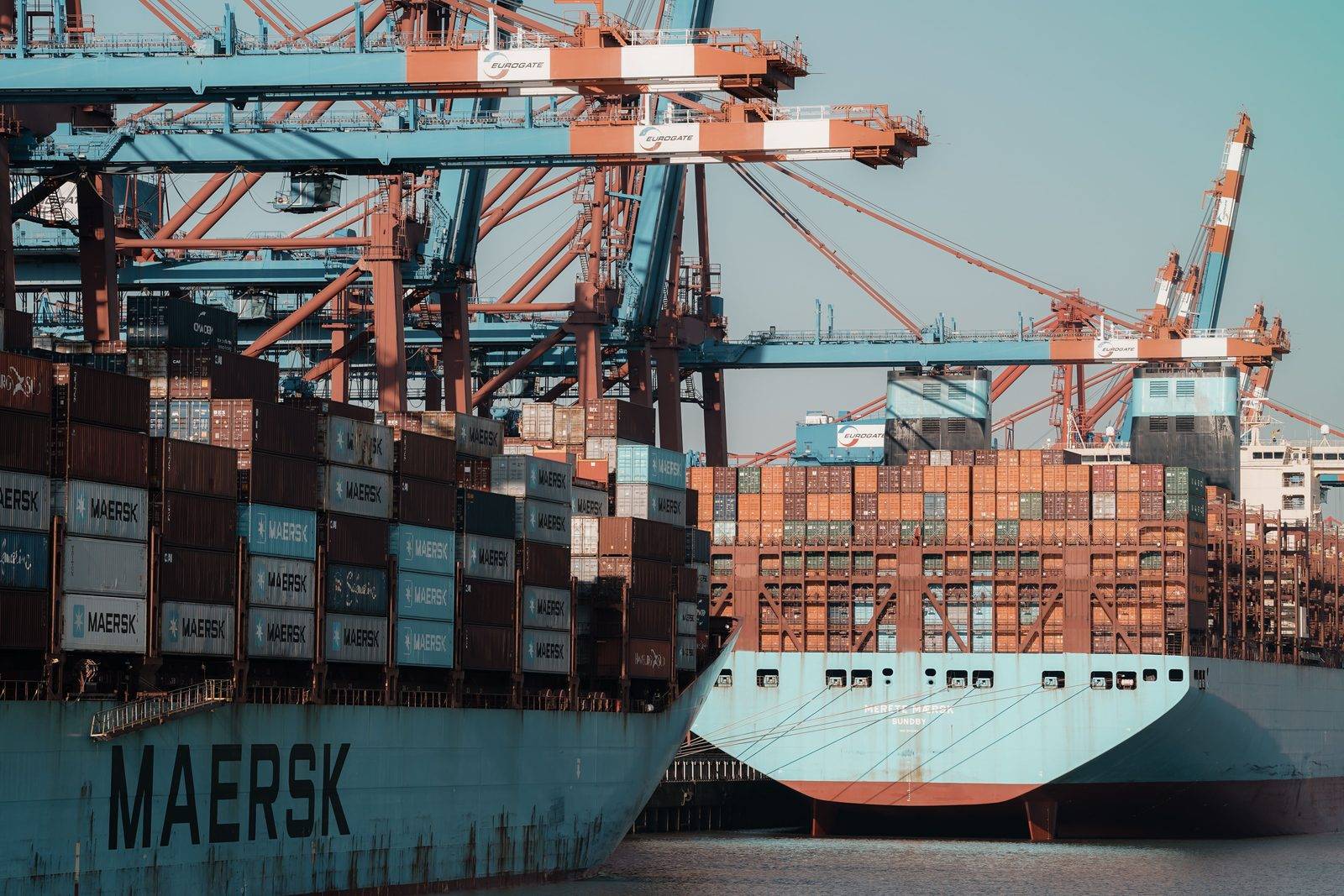
In October, despite the ongoing attacks, the number of transits through Hormuz increased to 956, averaging 30.8 crossings per day, all under the protection of US naval forces.
The contradiction indicates that Tehran is reacting aggressively without significantly affecting traffic, which points to diminished influence.
Midterm Fallout Reshapes White House Priorities
From a political standpoint, the pivot fulfils various objectives. By instructing Vance to focus on “corruption and crime” in areas governed by Democrats, Trump is amplifying a narrative of domestic grievances as the new Congress approaches in January, where Democrats have vowed to implement rigorous oversight.
The president asserted that eradicating such fraud could “swiftly RESTORE” equilibrium to the federal budget, citing Minnesota, California, and Illinois as instances.
The decision further separates the administration from a conflict that Vance recognised had harmed the Republican image, while enabling Trump to maintain the blockade as a leverage strategy without incurring the political repercussions of negotiations.
For the markets, the message is clear: immediate sanctions relief is not on the horizon. Iranian oil continues to be excluded from international markets, and the risk premium associated with transit insurance in Hormuz is expected to persist.
The pressing question now is whether Tehran will choose to escalate maritime tensions further or acquiesce to an extended economic blockade.
Washington seems to be in a position of patience, choosing to observe the situation unfold.
(Edited by Rahul Karunakar; rahul.karunakar@skaah.media)
Comments
Comments are not open on this story. Join the conversation by sharing it, or write to our editors.